
Why Renovation Timelines Matter More Than You Think
If you've ever talked to a friend or neighbor who recently went through a home renovation, there's a good chance they mentioned one thing above all else: it took longer than expected. Delays, miscommunications, and unrealistic expectations are the top reasons homeowners feel frustrated during a remodel — not the quality of the work itself.
The truth is, most timeline headaches are preventable. With the right planning, clear communication, and a realistic understanding of how renovations actually unfold, you can navigate your project with far less stress. Whether you're updating a kitchen, redoing a bathroom, or tackling multiple rooms at once, here's how Coral Springs homeowners can build a renovation timeline that actually works.
Start With the End in Mind
Before you pick a single tile or cabinet finish, ask yourself a simple question: when do I need this project done? Maybe you're hosting family for the holidays, preparing your home for sale, or simply tired of looking at outdated countertops. Having a target completion date gives your contractor a goal to work backward from.
That said, be honest about flexibility. A hard deadline — like a home sale closing date — requires a different approach than a soft preference. Share this information upfront with your remodeling team so they can tell you whether your expectations are realistic before any work begins.
Understanding the Typical Phases of a Remodel
Every renovation, regardless of size, follows a general sequence. Knowing these phases helps you understand where your project stands at any given moment.
1. Design and Planning (2–4 Weeks)
This is where you finalize your layout, choose materials, and lock in the scope of work. It includes meetings with your contractor, reviewing estimates, and making selections for cabinetry, countertops, flooring, paint colors, and fixtures. Rushing this phase is one of the biggest mistakes homeowners make — changes made after construction starts are expensive and time-consuming.
2. Permitting (1–3 Weeks)
Depending on the scope of your project, you may need permits from the City of Coral Springs or Broward County. Permit timelines vary, but your contractor should handle the application process. Electrical, plumbing, and structural changes almost always require permits, and skipping them can cause serious problems when you sell your home.
3. Demolition and Preparation (2–5 Days)
Out with the old. This is when existing cabinets, flooring, fixtures, and finishes are removed. It's loud, dusty, and fast. Your contractor should set up dust barriers and protect the rest of your home during this phase.
4. Rough Work — Plumbing, Electrical, Framing (1–2 Weeks)
If your renovation involves moving plumbing lines, adding outlets, or changing the layout, this is when it happens. These systems need to be inspected before walls are closed up, so expect a brief pause while the inspector visits.
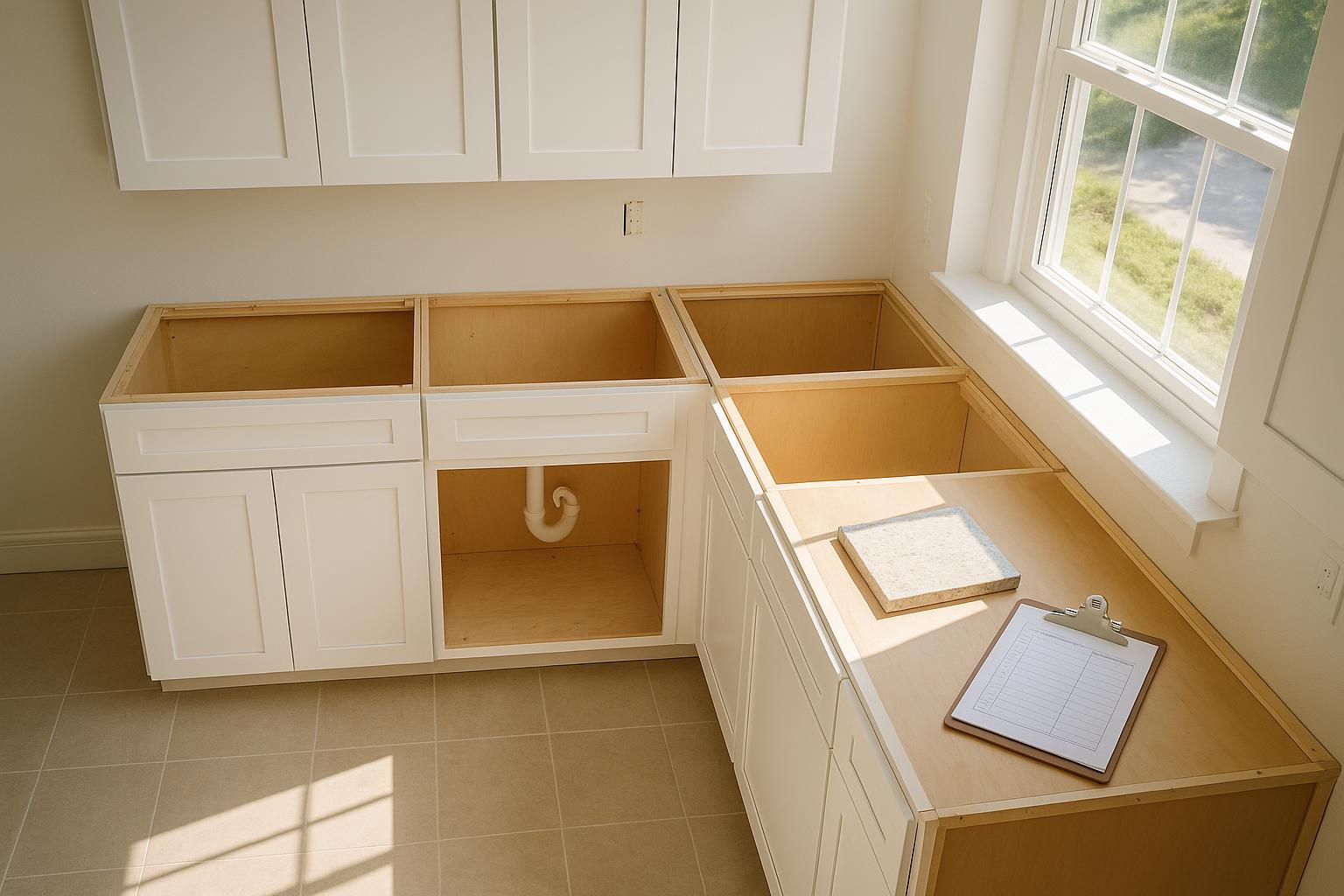
5. Installation — Cabinets, Countertops, Flooring, Tile (2–4 Weeks)
This is the most exciting phase because you finally start seeing your vision come to life. Cabinets go in first, followed by countertops (which are typically templated after cabinet installation and fabricated off-site). Flooring, backsplash tile, and fixtures follow in a specific order to protect finished surfaces.
6. Finishing Touches and Painting (3–5 Days)
Trim, caulking, touch-up paint, hardware installation, and final adjustments happen here. It may seem minor, but this phase is what separates a professional renovation from a DIY job.
7. Final Walkthrough and Punch List (1–2 Days)
You and your contractor walk through the completed project together, noting anything that needs correction. A reputable remodeling company will address every item on the punch list before considering the job complete.
What Causes Delays (and How to Avoid Them)
Even the best-planned renovation can hit a snag. Here are the most common causes of delays and what you can do about them.
- Indecision on materials: Waiting until the last minute to choose your countertop slab or cabinet style can push your entire timeline back by weeks. Make selections during the planning phase and stick with them.
- Backorders and supply chain issues: Some materials, especially custom cabinetry and imported tile, have long lead times. In South Florida, popular items can sell out quickly during peak renovation season. Order early.
- Unexpected discoveries: Older homes in Coral Springs sometimes reveal surprises behind walls — outdated wiring, water damage, or plumbing that doesn't meet current code. A good contractor will communicate these issues immediately and present solutions with adjusted timelines.
- Permit delays: Municipal offices have their own schedules. While your contractor can't control how fast a permit is approved, experienced local contractors know the process well and can minimize wait times.
- Scope creep: You started with a bathroom remodel, but now you want to redo the hallway flooring too. Adding work mid-project is fine, but understand that it extends the timeline and budget.
Tips for Keeping Your Project on Track
- Finalize all design decisions before demolition day. This single step eliminates the majority of preventable delays.
- Establish a communication plan with your contractor. Weekly updates, whether by phone, email, or a project management app, keep everyone aligned.
- Be available for questions. Contractors often need quick answers during the workday. A 24-hour delay in your response can mean a full day of lost progress.
- Build in a buffer. Add 10–15% more time to whatever estimate you receive. This isn't pessimism — it's realism. Weather, inspections, and material shipments don't always cooperate.
- Work with a local contractor who knows the area. A remodeling company based in Coral Springs understands local building codes, permit processes, and supplier relationships in ways that out-of-town contractors simply don't.
How Long Will Your Renovation Actually Take?
Here are some general timeframes for common projects, assuming materials are pre-selected and permits are in order:
- Bathroom remodel: 3–5 weeks
- Kitchen remodel: 6–10 weeks
- Cabinet refacing or replacement: 1–2 weeks
- Countertop installation: 1–2 weeks (including templating and fabrication)
- Flooring installation: 3–7 days for most rooms
- Interior painting: 2–5 days depending on scope
These are averages. Your specific project may be shorter or longer depending on complexity, the age of your home, and how quickly decisions are made.
The Bottom Line
A well-planned renovation timeline isn't just about efficiency — it's about peace of mind. When you know what's happening, when it's happening, and why, the entire experience becomes more enjoyable. At Ponderosa Home Renovation, we walk our clients through every phase before we pick up a single tool, because we believe informed homeowners make the happiest homeowners.
If you're considering a remodel in Coral Springs or the surrounding communities, we'd love to help you map out a realistic plan that fits your life, your budget, and your timeline. Reach out to start the conversation — no pressure, just honest guidance from a team that does this every day.